PREUSSENRENAISSANCE
PRUSSIAN RENAISSANCE
A FUNERAL
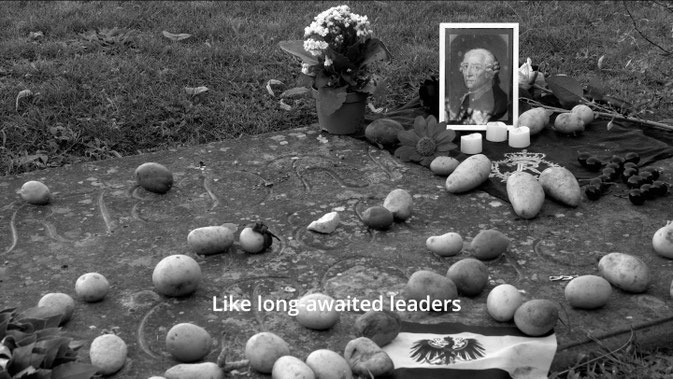
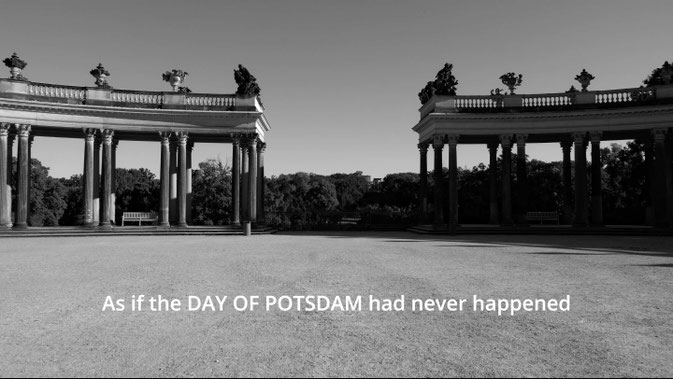
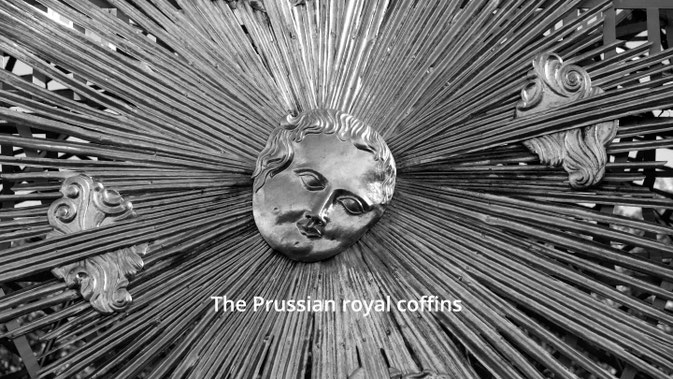
The Prussian past, separated from the National Socialist past, reduced to its military and economic power, was also appropriated in 1989/90 as a founding myth for the so-called ‘reunified Germany’. This is especially evident in rituals such as the burial of the 200-year-old corpses of the Prussian kings Frederick William I and Frederick II at Sanssouci Palace near Potsdam in 1991. The royal coffins, once hidden in a mine by the Nazis and brought to West Germany by the Allies under ‘’Operation Body Snatch‘’, were now transferred from their exile by the pan-German military to the territory of the former GDR. Just as the royal corpses were appropriated by the National Socialists on „Day of Potsdam“ in 1933, they are used for a conservative policy as a symbol of German unity and buried at midnight in the presence of then Chancellor Helmut Kohl, who never participated in a memorial ceremony for migrant victims of right-wing violence, which exploded during this period in the early 1990s. One year after the funeral event, the Association for the Reconstruction of the Berlin City Palace was founded.